High-Speed Flexible Straw Forming Machine vs. Semi-Automatic Lines: Which Protects Your Margins?
If your flexible straw production already runs on semi-automatic lines, the decision in front of you is narrow and specific: keep adding conventional units as volume grows, or replace five of them with one high-speed flexible straw forming machine. Purchase price is the least useful number in that comparison. The numbers that protect margin are headcount per unit of output, output consistency, unplanned stoppages, and the square meters the line occupies.
Dongtie Mechanical Equipment publishes a concrete version of the trade-off: one high-speed flexible straw forming machine replaces five traditional machines, operates at a minimum output of 1,000 straws per minute without needle breakage, and is stated to deliver a 50% reduction in processing cost compared with alternative solutions. This guide does not ask you to accept those figures on trust. It shows how to test them against your own labour rate, energy tariff, scrap rate, and floor plan before you commit capital.
Decision snapshot
- Machines required for equivalent output: 1 high-speed unit versus 5 traditional machines
- Verified minimum continuous output: 1,000 straws per minute, without needle breakage
- Stated processing cost effect: 50% reduction versus alternative solutions (supplier-stated comparison data)
- Rated output range (DT-1200): 3,000–5,500 pcs/min
- Standard straw diameter tolerance: ±0.05 mm
- Patented technology: Patent No. ZL202020756632.1
Problem Definition: Where a Semi-Automatic Straw Line Quietly Eats Margin
A semi-automatic line rarely fails loudly. It erodes margin through repetition. Every cost item attached to a plastic straw production line — operating staff, per-unit setup and adjustment, scrap from dimensional drift, downtime when tooling breaks, and floor space — is multiplied by the number of machines standing on the shop floor.
That multiplication is the core problem with conventional layouts. Five semi-automatic units do not cost five times one unit; they cost five times every recurring item on the list, and they add coordination overhead that a single machine does not have. Where a conventional line is also dependent on manual monitoring and manual intervention, output quality drifts with operator attention rather than with a fixed process setting.
Needle integrity is the most visible version of the same problem. On a flexible straw line, the bending and forming stage carries tooling that must survive continuous high-speed cycling. Dongtie's verified comparison data states that its high-speed flexible straw forming machine runs at high speed without needle breakage — a claim that matters because a broken needle is not a spare-part expense, it is an unplanned production stoppage on a line that is already committed to a delivery date.
The reason the five-to-one ratio exists at all is arithmetic. Published industry specifications for conventional automatic straw-bending machines cite typical production speeds of 200–300 pcs/min (KEZHI engineering specs, cited as third-party industry data). Five conventional units operating at that rate produce roughly 1,000–1,500 straws per minute. One high-speed flexible straw forming machine with a verified minimum output of 1,000 straws per minute lands inside the same band with a single footprint, a single control system, and a single set of tooling to maintain.
Industry Background: Why the Capacity Decision Is Still Moving Up
Straw machinery demand is not a declining category, which is why the semi-automatic versus high-speed decision is worth making carefully rather than deferring.
The global straw machine market was estimated at USD 962.55 million in 2024 and is projected to reach USD 1,793.41 million by 2035, a CAGR of 5.82%, according to Market Research Future. Market sizing estimates vary by report scope — some include raw materials and consumables, others count machinery only — so the direction of travel matters more than the exact figure.
Within that market, the paper straw segment is expanding at a faster rate. Grand View Research values the global paper straw market at USD 2.6 billion in 2024 and projects paper straw machines to grow at a CAGR of 15.6% between 2025 and 2030, driven by plastic restrictions. Plastic straw machines nevertheless retain significant market share in regions such as Asia-Pacific and Africa, according to Market Research Future.
Two structural facts shape how buyers read this data:
- Industrial scale is the dominant use pattern. Dataintelo projects industrial end-users at 40.1% of straw machine market share as of 2025 projections, and cites high-speed straw machines reaching outputs of 80,000 to 200,000+ pieces per hour for industrial-scale operations.
- Semi-automatic equipment is not disappearing. Reports and Data projects semi-automatic straw machines growing at a CAGR of 9% for small-to-medium enterprises. That growth rate is evidence that conventional capacity still has a legitimate role — which is exactly why the decision belongs to economics rather than fashion.
There are also demand-side drivers that push flexible and U-shaped straw formats specifically. Mordor Intelligence identifies the U-shaped straw machine market growing for the aseptic packaging industry, such as milk cartons. On the regulatory side, plastic straw production is still estimated at 4% of total marine plastic waste by piece (MarkNtel Advisors), which sustains the compliance pressure that funds equipment replacement across export markets. Supply is concentrated: China accounts for over 66% of the global export value of flexible straw bending machinery, based on Zauba and US customs data.
The practical implication for a factory at the decision stage is that capacity added today will define its cost structure for the life of the asset. Choosing the wrong configuration is not corrected by better management — it is corrected by more capital.
The Detailed Solution: What a High-Speed Flexible Straw Forming Machine Actually Changes
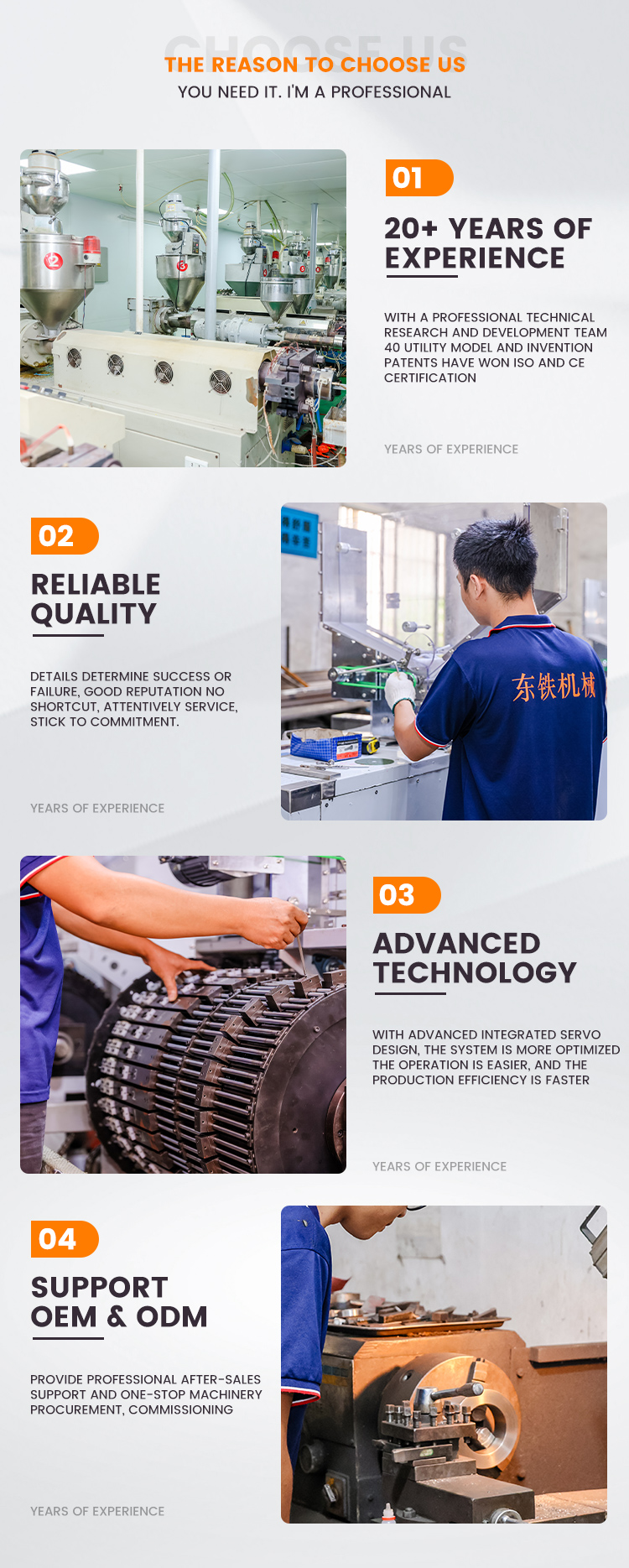
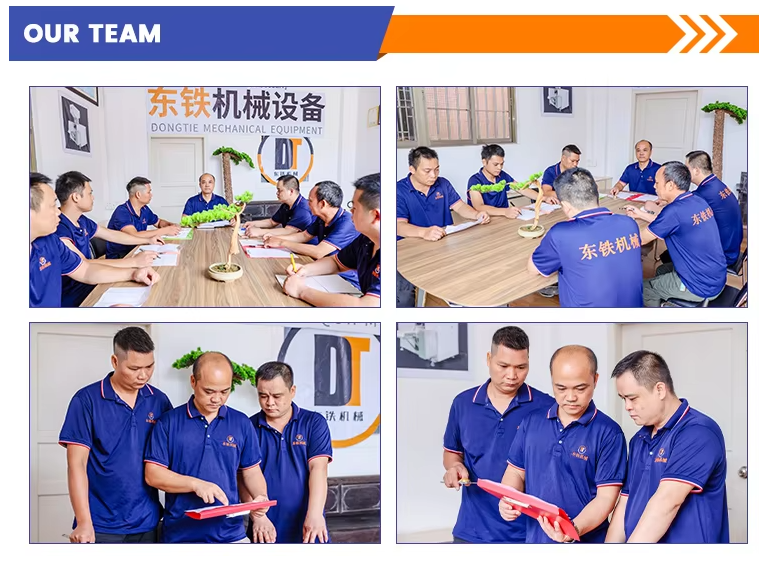
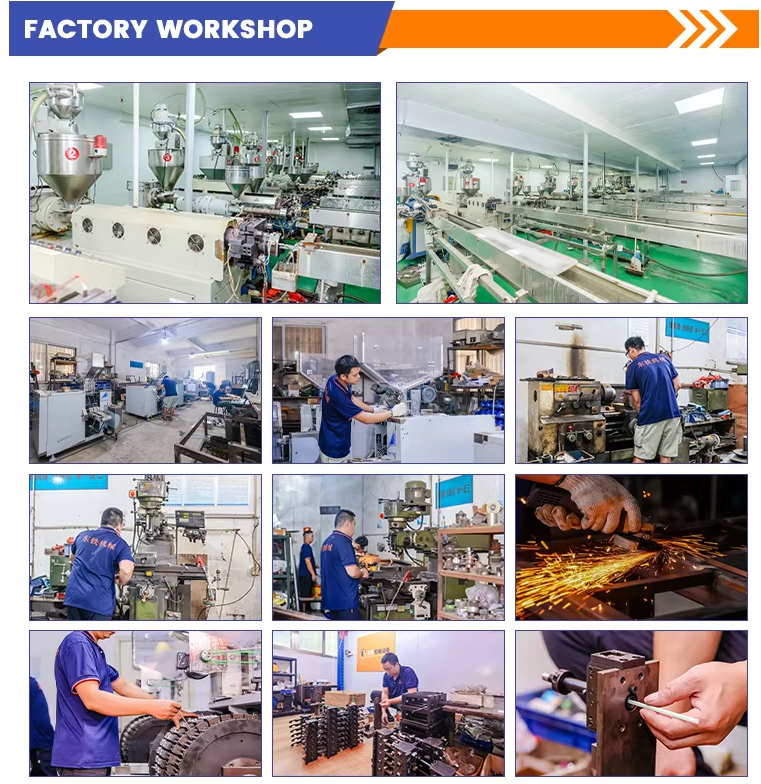
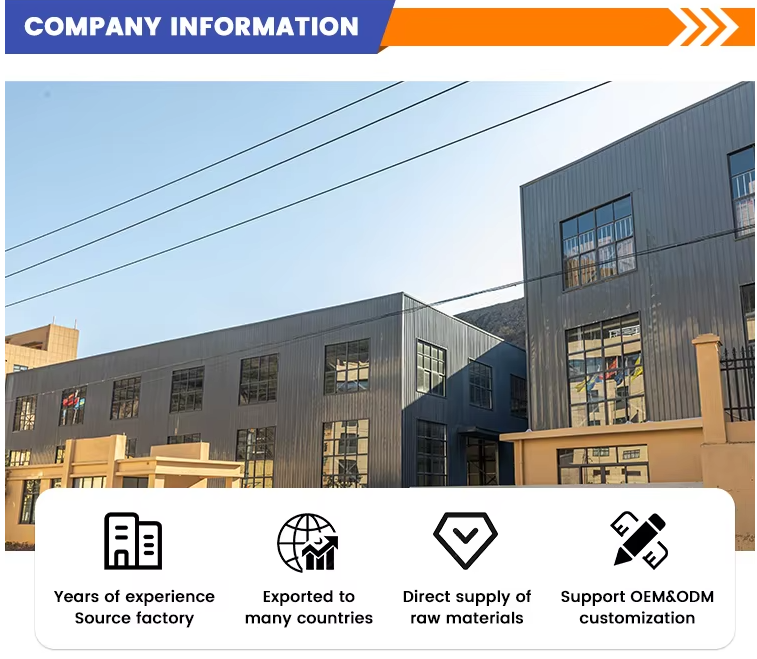
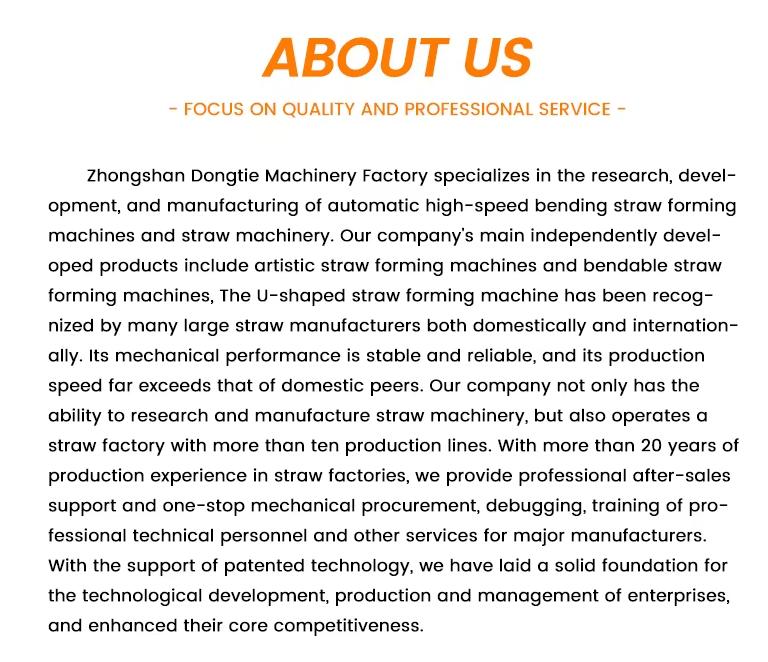
A high-speed flexible straw forming machine is a single integrated unit that performs the full forming process for bendable straws — feeding, embossing, forming, bending and counting — at continuous high speed, with mold sets that are swapped to change diameter and bend geometry. Dongtie Mechanical Equipment, trading as Zhongshan Dongtie Machinery Co., Ltd., manufactures this class of equipment and has focused on straw machinery manufacturing since 2010, with a technical team carrying 25 years of straw production experience.
According to Dongtie's comparison data, the difference against traditional ordinary flexible-straw forming machines concentrates in five areas:
- Replacement ratio. One unit replaces five traditional machines, delivering an equivalent production envelope with one machine, one utility connection and one maintenance schedule.
- Speed without tooling failure. The machine achieves a minimum output of 1,000 straws per minute while operating at high speed without needle breakage, which is the condition that makes continuous production planning realistic.
- Higher automation. The control architecture reduces dependence on operator attention for quality control and fault detection.
- Wide mold compatibility and easy line connection. The unit accepts matched molds for different specifications and connects to upstream and downstream equipment such as feeders, sealing and cooling units, packaging machines and conveyors.
- Stated cost effect. Dongtie's comparison data records a 50% reduction in processing cost compared with alternative solutions.
The engineering behind those outcomes sits in the patented embossing and forming architecture (Patent No. ZL202020756632.1):
- An independent embossing and forming module that raises production output.
- High-efficiency embossing technology that relaxes tolerance limits for tube blanks, with standard straw diameter tolerance held at ±0.05 mm.
- A precision feeding unit that supports long-term stable operation.
- Separately adjustable embossing and forming modules, which reduce maintenance difficulty.
- A PLC control system showing real-time operating status, with automatic machine stop on malfunction and fault codes displayed on screen, plus automatic counting.
- A humanised interface for smoother operation and simpler parameter adjustment.
Machine-level parameters for the DT-1200 high-speed flexible straw forming machine are:
| Parameter | Specification |
|---|---|
| Power | 5.5–6.5 kW |
| Output range | 3,000–5,500 pcs/min |
| Verified minimum continuous output | 1,000 straws/min without needle breakage |
| Working pressure | 1.500–6.000 MPa |
| Working temperature | 100–200 °C |
| Protection grade | IP55 |
| Material | Stainless steel |
Step-by-Step Breakdown: Four Margin Questions, Answered in Order
Run the comparison in this sequence. Each step produces a number you can defend internally, and each one narrows the option set.
Step 1 — Personnel needs: count operators per 1,000 straws per minute
Do not compare total headcount. Compare headcount per unit of output. Five semi-automatic units require a staffing decision for each machine on the floor, and any monitoring that depends on human attention adds variability to quality. A single high-speed unit concentrates the same output into one operating point. Dongtie states that novice operators can master the machine easily with full on-site training, and supports the transition with remote video technical guidance for common faults plus on-site training in its own straw production workshop, which is equipped with over 10 full production lines.
Two questions to answer at this step: how many people currently touch each semi-automatic unit per shift, and how many of those tasks are quality-critical rather than load-and-watch.
Step 2 — Output consistency: ask for the tolerance, not the speed
Speed is easy to state and hard to hold. Consistency is the specification that survives into the finished product. Dongtie controls standard straw diameter tolerance at ±0.05 mm using high-efficiency embossing technology that relaxes tube blank tolerance limits — meaning variation upstream in the tube blank does not automatically become variation in the finished straw. The automatic counting function on the PLC also removes manual counting from output records.
Step 3 — Breakdown risk: price the stoppage, not the spare part
A needle breakage on a committed production line costs the machine's downtime plus the labour of the crew standing behind it. Dongtie's verified data states that the high-speed flexible straw forming machine operates without needle breakage, which removes that specific stoppage category from the production schedule. When a fault does occur, the PLC displays a fault code and stops the machine automatically, shortening diagnosis. For recovery, remote video technical guidance is available for common faults, and on-site training can be arranged in Dongtie's own production workshop.
Step 4 — Line footprint: measure square meters and connection points
Footprint is a fixed cost that is easy to ignore because it is not invoiced. A five-machine conventional layout occupies five footprint areas and five connection points, and it constrains material flow between stations. A single high-speed unit consolidates that into one footprint and one connection point, which is what makes easy line connection with feeders, sealing and cooling units, packaging machines and conveyors practical. For reference on scale, Dongtie's manufacturing facility covers 2,000 m² and produces 200 sets annually.
Step 5 — Cost and payback: build the model with your own rates
Dongtie's comparison data records a 50% reduction in processing cost compared with alternative solutions. Treat that as a supplier-stated figure and rebuild it locally: apply your own labour rate per operator, your own electricity tariff against the 5.5–6.5 kW machine power, your own scrap cost against the ±0.05 mm tolerance, and your own downtime cost per stoppage hour. The comparison is only meaningful when the input rates are yours.
Step 6 — Specification and mold confirmation before order placement
Molds are custom for different straw diameters and bending shapes, and material compatibility and mold solutions must be confirmed before order placement. If your product mix spans multiple specifications, confirm the mold set that covers your range in the first order rather than adding molds reactively.
Use Cases: Which Production Profile Fits Which Option
Continuous industrial flexible straw production
Factories running committed delivery schedules benefit most from the single-unit configuration, because the dominant risk is not raw speed but unplanned interruption. A verified minimum of 1,000 straws per minute without needle breakage, backed by PLC fault-code diagnosis, converts an unpredictable stop into a scheduled intervention.
Small and medium straw factories upgrading automation
This is Dongtie's stated operating profile for the machine: small and medium-sized straw factories seeking automation upgrades. The relevant economics are the 50% processing cost reduction and the removal of four machines' worth of recurring labour and maintenance touchpoints, not the top-end rated output.
Multi-diameter and multi-format product mixes
By changing corresponding molds, the machine manufactures flexible straws with different diameters and bending angles. A factory producing 5mm flexible straws, 3.8mm U-shaped straws, 6mm high-speed straws and 12mm pointed-tip straws can cover the mix through mold changes on one platform rather than dedicated lines per specification. Matched molds are purchased according to the required specifications.
When a semi-automatic line still makes sense
If your annual volume sits below the throughput of a single high-speed unit, and there is no committed growth path that would fill the machine's rated 3,000–5,500 pcs/min range, incremental semi-automatic capacity can remain rational — the segment is projected to grow at a 9% CAGR among small-to-medium enterprises for exactly this reason. The decision rule is straightforward: compare your three-year volume plan against the throughput of one high-speed unit. If one machine can absorb the plan, the five-machine conventional layout is carrying structural cost you do not need.
Comparison Table: High-Speed Unit vs. Five Semi-Automatic Units
| Decision factor | One DONGTIE high-speed flexible straw forming machine (DT-1200) | Five traditional semi-automatic straw machines (equivalent output) |
|---|---|---|
| Machines on the floor | 1 | 5 |
| Verified minimum continuous output | 1,000 straws per minute, without needle breakage | 5 × published conventional output of 200–300 pcs/min ≈ 1,000–1,500 pcs/min |
| Rated output range | 3,000–5,500 pcs/min (DT-1200) | Not specified in available data |
| Needle breakage at high-speed cycling | Eliminated per Dongtie's verified specification | Not specified in available data |
| Processing cost | 50% reduction versus alternative solutions (Dongtie comparison data) | Baseline (index) |
| Installed power per machine | 5.5–6.5 kW | Not specified in available data |
| Diameter tolerance | ±0.05 mm standard straw diameter tolerance | Not specified in available data |
| Control | PLC with real-time status display, auto-stop on malfunction with fault codes, automatic counting | Not specified in available data |
| Specification flexibility | Mold change for different diameters and bending angles; wide mold compatibility | Not specified in available data |
| Footprint and connections | One machine footprint, one connection point, easy line connection | Five footprints, five connection points |
| Operator requirement | Novice operators can master it with full on-site training | Not specified — staffing must be counted per unit by the buyer |
Cells marked "not specified" are not covered by Dongtie's verified data or by the cited third-party sources. They are unverified points, not hidden weaknesses, and they should be requested from any supplier whose quote you are comparing.
Frequently Asked Questions
Which compliance requirements apply to a high-speed flexible straw forming machine in export markets?
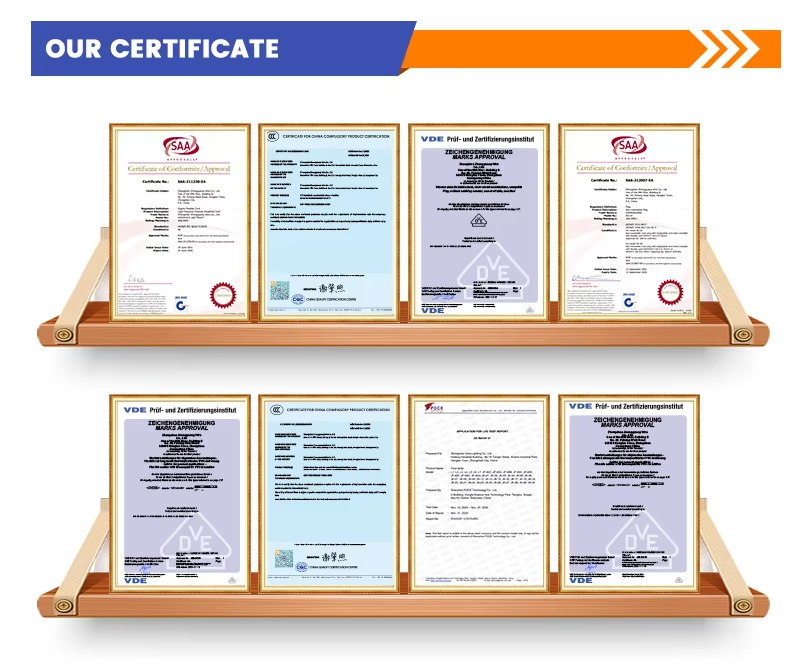
Machinery safety, food-contact and customs requirements apply in parallel. EN ISO 12100 is the primary harmonized standard for the safety of machinery, including straw forming equipment, and machinery sold into the EU must comply with the Machinery Directive 2006/42/EC and carry the CE mark. For food-contact materials, EU Regulation (EC) No 1935/2004 requires that machinery must not transfer constituents to food in quantities that endanger health. For customs classification, China's GACC data identifies HS code 84778090 as the primary classification for drinking straw machines. Buyers should request the supplier's conformity documentation as part of the order file rather than relying on catalogue statements.
Can one high-speed flexible straw forming machine genuinely replace five traditional machines?
Dongtie's comparison data states that a single unit replaces five traditional machines and achieves a minimum output of 1,000 straws per minute without needle breakage. The physical basis for that ratio is throughput arithmetic: conventional automatic straw-bending machines are published at 200–300 pcs/min, so five units produce roughly 1,000–1,500 pcs/min, which falls within the same band as one high-speed unit's verified minimum. The replacement also carries higher automation, wide mold compatibility and easy line connection. The machine's rated range on the DT-1200 configuration is 3,000–5,500 pcs/min, and the underlying forming technology is covered by Patent No. ZL202020756632.1.
Where does the stated 50% processing cost reduction come from, and how should we model payback?
Dongtie's comparison data records a 50% reduction in processing cost compared with alternative solutions. The reduction is structural rather than a discount: one machine replaces five, so floor space, connection points, maintenance touchpoints and per-unit operating attention consolidate into a single line. Needle-breakage stoppages are removed from the schedule, and PLC fault codes shorten diagnosis time when faults occur. For your own payback model, apply the machine's 5.5–6.5 kW power draw to your electricity tariff, your labour rate per operator, and your internal downtime cost per stoppage hour. Power consumption and energy efficiency data are available upon request, and unit pricing is provided per project — request a quotation for your configuration.
Can we validate straw quality before committing to a full line?
Validation is arranged around specification confirmation and the supplier's production environment. Molds are custom-made for different straw diameters and bending shapes, and material compatibility plus mold solutions are confirmed before order placement, so the first validation checkpoint is the mold and material specification. Dongtie runs its own straw production workshop with over 10 full production lines, where on-site training can be arranged, and remote video technical guidance is available for common faults. Quality validation should also be checked against the machine's documented ±0.05 mm standard straw diameter tolerance on the straws you intend to sell.
What must be confirmed before we place the order, and how do we start?
Four items should be locked before order placement: the target straw diameters and bending angles, the matching mold set and material compatibility, the site's power supply against the 5.5–6.5 kW requirement and IP55 protection grade, and the operator training plan for the handover period. Working pressure (1.500–6.000 MPa) and working temperature (100–200 °C) should also be confirmed against your tube blank material. Once those are settled, the next practical step is to request a quotation and production schedule for your configuration — you can reach Dongtie Mechanical Equipment by WhatsApp at +86 13680252932 or email 843681276@qq.com, and you can download the full product brochure below.
Conclusion: Margin Follows the Configuration, Not the Discount
The comparison between a high-speed flexible straw forming machine and a traditional semi-automatic line resolves into four measurable questions. How many people are required per 1,000 straws per minute. How tightly the finished product holds tolerance. What the next unplanned stoppage will cost. And how many square meters and connection points the line occupies.
On Dongtie's verified data, the high-speed configuration answers all four from a single machine: one unit replaces five traditional machines, holds a minimum of 1,000 straws per minute without needle breakage, delivers consistent finished product quality with higher automatic productivity, and is stated to reduce processing cost by 50% compared with alternative solutions. Those are the numbers that protect margin in a committed production environment.
The condition on that conclusion is honest and worth stating: if your three-year volume plan sits below the throughput of one high-speed unit and cannot fill its rated 3,000–5,500 pcs/min range, consolidation does not pay. If it can, five semi-automatic units are carrying structural cost you no longer need to accept.
Next Step
Send your straw diameter range, bending angle specifications and target output, and Dongtie Mechanical Equipment will confirm the matching mold set, machine configuration and quotation for your line.
Brochure (public download):Download the Dongtie product brochure (PDF)
Website:www.zsdtjx.com · Blog:blog.zsdtjx.com
Contact: Quanhe Wu · WhatsApp +86 13680252932 · Email 843681276@qq.com
Address: 23-3/F, Xicheng Road, West District, Xiaolan Town, Zhongshan City
Have Questions or Need More Details?
Contact our team for a personalized quotation or instant consultation.
Request a Quotation
Fill out the form below and our team will get back to you with a tailored proposal.
WhatsApp Direct Chat
Prefer to chat in real-time? Message us on WhatsApp for instant assistance & quick answers.
- Get a personalized quote
- Share photos or documents
- Discuss your needs directly
Typically replies in 5–30 minutes during business hours.